Our Longleaf Pine Forest

One of the South's Most Remarkable Longleaf Pine Forests

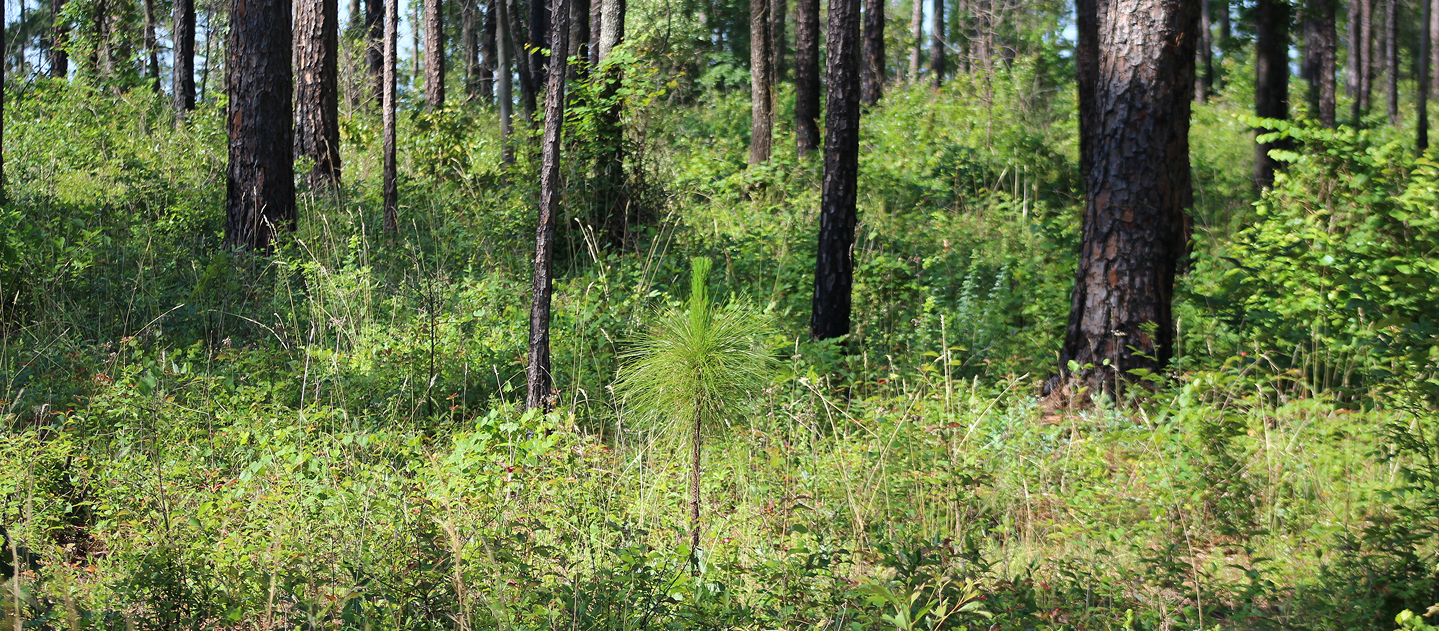
Longleaf pine/wiregrass ecosystems, of which Hitchcock Woods is a prime example, provide a quality habitat for a vast number of plant and wildlife species. At one time, the longleaf pine ecosystem covered approximately 90 million acres in the Southeast.

90 Million Acres


Estimated historic range across the Southeastern United States.

Only 6% Remains


A small portion of the original ecosystem still exists today.

350+ Years Old


One of the nation’s largest longleaf pine trees stands within Hitchcock Woods.

250+ Year Old Trees


Ancient “Flattop” longleaf pines can still be found throughout the forest.

How the Ecosystem Declined

Over the last century, the longleaf pine ecosystem experienced significant decline due to widespread land-use changes. Aggressive logging, agricultural expansion, urban development, and decades of fire suppression dramatically reduced both the size and health of these forests.

A Forest That Depends on Fire

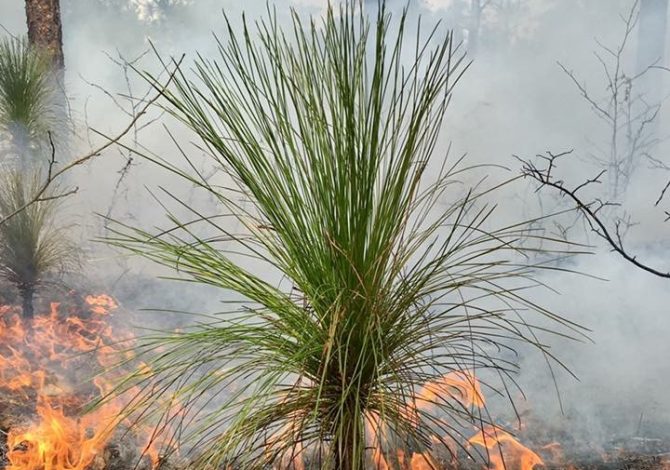
While fire is often viewed as destructive, the longleaf pine ecosystem has evolved to depend on it. For thousands of years, naturally occurring fires—typically started by lightning and fueled by pine needles and wiregrass—moved across the landscape, clearing undergrowth while leaving mature trees largely unharmed.

These low-intensity fires recycled nutrients, reduced forest litter, and created the ideal conditions for new longleaf pine seedlings and native plants to thrive.

65137093b37aae4bd0a2646888de773e263b385a

The Benefits of Natural Fire

Reduces excess forest fuel

Encourages healthy forest regeneration

Supports native plant communities

Creates habitat for wildlife

Discover the Longleaf Pine Ecosystem

Learn more about why longleaf pine forests are among the most diverse ecosystems in the world and how conservation efforts are helping restore these extraordinary landscapes.