Red-Cockaded Woodpeckers

Bringing the Red-Cockaded Woodpecker Back

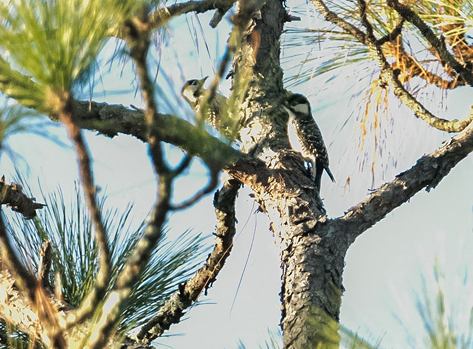
The Red-cockaded Woodpecker (RCW) was once a familiar sight throughout the longleaf pine forests of the Southeast, including Hitchcock Woods. As longleaf pine ecosystems declined due to habitat loss and fire suppression, so did the RCW population. By the late 1960s, these remarkable birds had virtually disappeared from the Woods, and in 1970 they were officially listed as a federally endangered species.

Today, thanks to decades of habitat restoration, prescribed fire, and dedicated conservation efforts, the Red-cockaded Woodpecker has made an inspiring return to Hitchcock Woods.

Restoring Habitat, Restoring Wildlife

The recovery of the Red-cockaded Woodpecker is a testament to the Foundation’s long-term commitment to ecological stewardship. Through prescribed fire and a carefully managed translocation program, Hitchcock Woods has once again become suitable habitat for this endangered species.

The restoration of the longleaf pine ecosystem has also benefited countless other native plants and animals, strengthening the overall health and biodiversity of the forest.

2016
0 Resident RCWs

A new chapter of restoration began

2024
80+ Red-Cockaded
Woodpeckers


A thriving population now calls Hitchcock Woods home.

Growing Ecosystem


Fox squirrels, bobwhite quail, bluebirds, goldenrod, milkweed, asters, and many other native species are flourishing alongside the RCWs.

A Unique Bird of the Longleaf Pine Forest

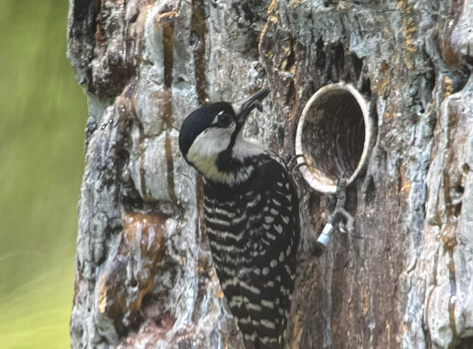
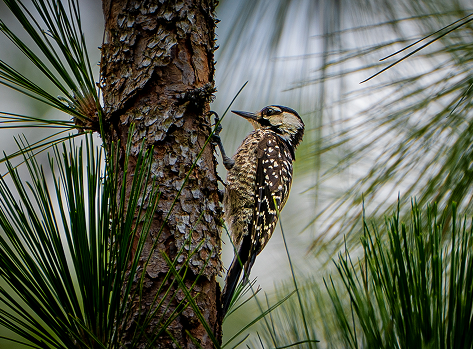
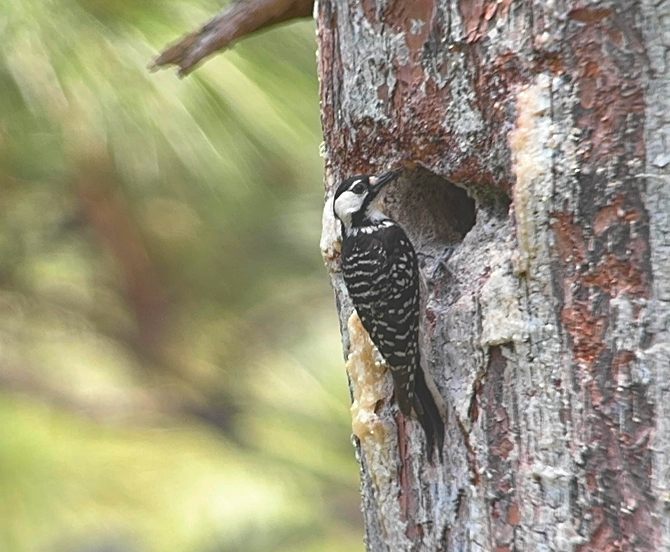
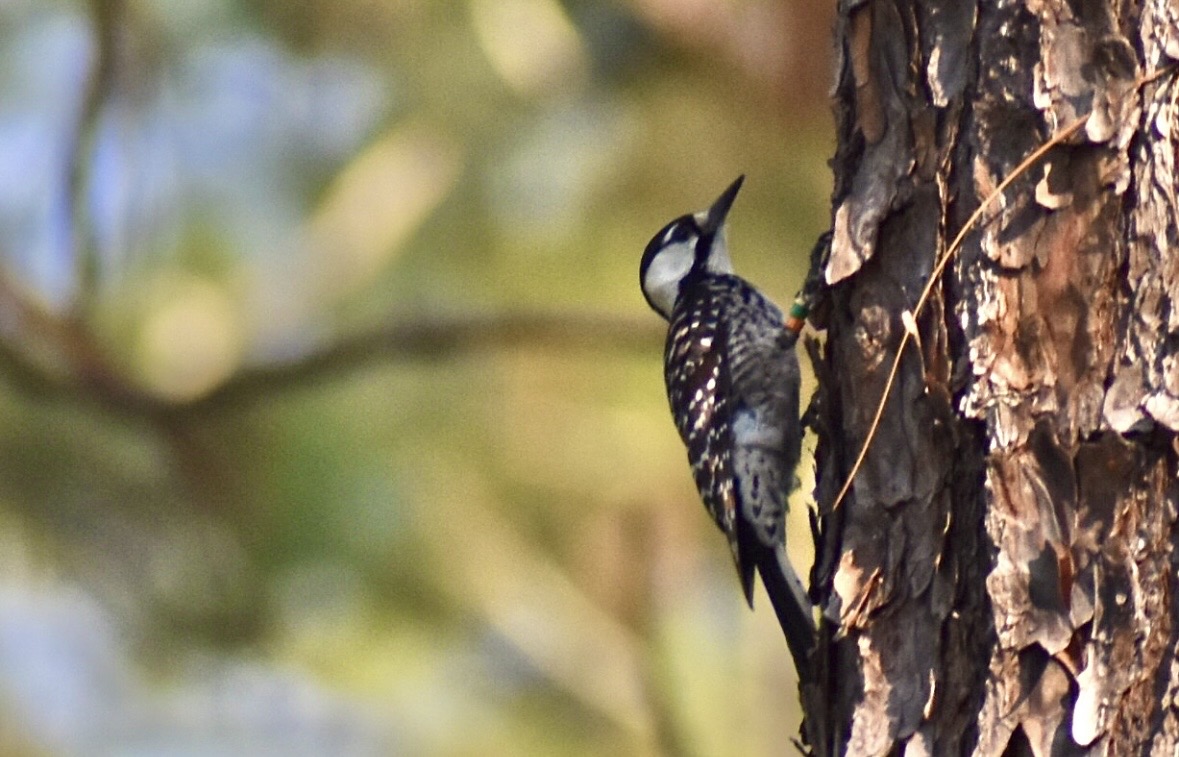
The Red-cockaded Woodpecker is specially adapted to life in mature longleaf pine forests and displays several fascinating characteristics that make it unlike any other woodpecker.

Small in size with a short, straight bill

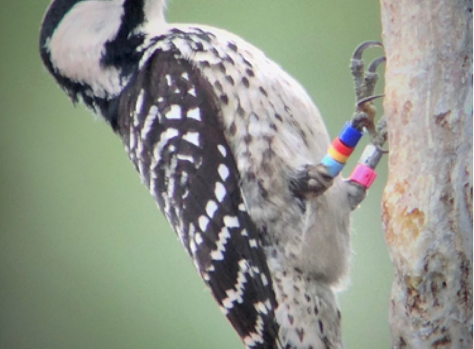
Predominantly black and white plumage

Males have a tiny red streak, or "cockade," near the cheek

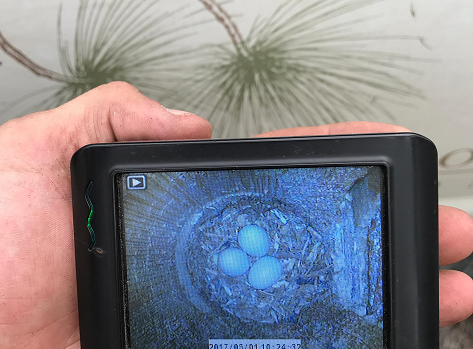
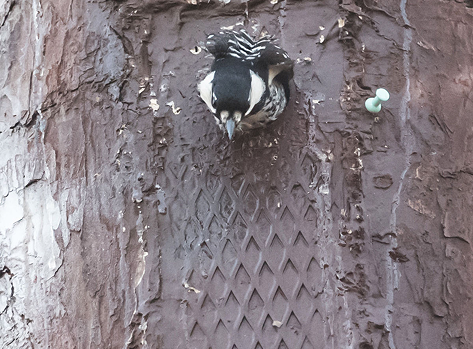
Nests and roosts in living pine trees

Lives in cooperative family groups that help raise young

Faces natural predators such as rat snakes

Protecting the Future of the Species

The work doesn’t stop with recovery. Hitchcock Woods Foundation continues to actively monitor and support the Red-cockaded Woodpecker population through ongoing habitat management and scientific oversight.

An experienced RCW biologist regularly maintains nesting cavities, installs and replaces artificial cavities when needed, monitors nesting success, and helps ensure the long-term health of the population.

These ongoing efforts help secure a brighter future for one of the Southeast’s most iconic endangered birds.

Every Healthy Forest Supports More Than Trees

The return of the Red-cockaded Woodpecker demonstrates what is possible when conservation, science, and community stewardship work together. As Hitchcock Woods continues to restore and protect the longleaf pine ecosystem, countless native plants and wildlife species benefit alongside this remarkable bird.